
Introduction: Why U.S. Citizenship Matters
Becoming a U.S. citizen is a life-changing milestone that comes with significant rights, privileges, and responsibilities. As a citizen, you can vote, run for public office, apply for a U.S. passport, and access federal jobs. Citizenship also provides legal protections, greater job opportunities, and the ability to sponsor family members for immigration more easily.
For green card holders, naturalization is more than just a status upgrade. It provides long-term security, ensuring your permanent residence cannot be revoked and giving you peace of mind for the future. Understanding the naturalization process—from eligibility to the final Oath of Allegiance—is essential to make this transition smooth and successful.
Step 1: Check Your Eligibility
Before applying, make sure you meet the basic requirements for U.S. citizenship:
- Residency: You must hold a green card for at least 5 years, or 3 years if married to a U.S. citizen.
- Physical Presence: You need at least 30 months in the U.S. (or 18 months if married to a U.S. citizen).
- Age: You must be 18 or older.
- English Skills: Ability to read, write, and speak basic English.
- Civics Knowledge: Understanding of U.S. history and government.
- Good Moral Character: No serious legal issues or fraudulent behavior in recent years.
Special situations, such as military service or marriage to a U.S. citizen, may shorten the required timeline. Meeting these criteria ensures you are ready to start the naturalization process.
Step 2: Prepare Your Documents
Preparation is key to a smooth application. Gather essential documents such as:
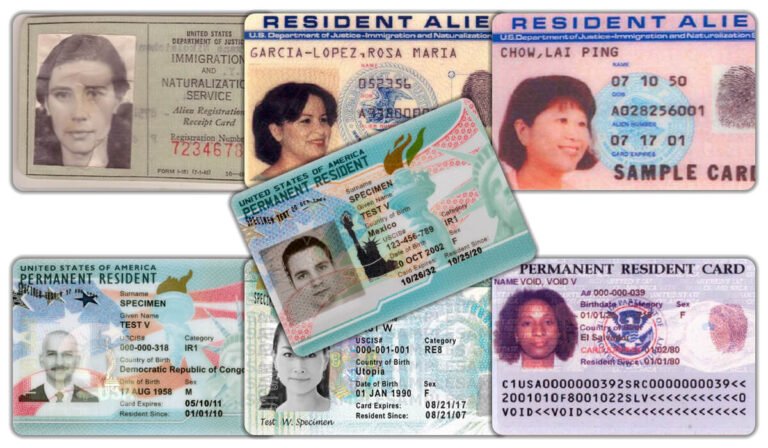
- Green Card (Permanent Resident Card)
- Birth certificate
- Marriage certificate (if applicable)
- Proof of physical presence in the U.S.
- Employment and travel records
Organizing these documents early prevents delays and helps you complete the application accurately.
Step 3: Complete and Submit Form N-400
The Form N-400 is your official application for naturalization. Key points to remember:
- Provide accurate personal information: Address, employment history, and travel outside the U.S.
- Attach supporting documents: Green card, marital status evidence, and proof of physical presence.
- Submit online or by mail: Online submission is faster and allows tracking, but mailed applications must go to the correct USCIS address.
- Avoid common mistakes: Double-check fields, signatures, and attachments to prevent delays or denial.
Step 4: Attend Your Biometrics Appointment
After submitting your N-400, USCIS will schedule a biometrics appointment. During this visit:
- Fingerprints are taken for a background check
- A photograph is captured
- Identity verification is completed
Bring your appointment notice, green card, and photo ID. Arrive on time and maintain proper hygiene to ensure fingerprints are readable.
Step 5: Prepare for the Interview and Tests
The naturalization interview is a crucial step:
- USCIS will review your N-400 application
- You will take an English test (reading, writing, speaking)
- You will take a civics test (U.S. history and government)
Preparation tips:
- Study the USCIS civics guide and practice questions
- Review your N-400 answers carefully
- Bring all required documents
- Dress professionally and arrive prepared
Step 6: Take the Oath of Allegiance
The final step is the Oath of Allegiance ceremony. Here, you:
- Pledge loyalty to the United States
- Renounce prior allegiances
- Receive your Certificate of Naturalization
After the ceremony, you officially become a U.S. citizen, with all associated rights and responsibilities.
Step 7: Life After Citizenship
Becoming a citizen opens new opportunities and responsibilities:
- Voting rights: Participate in federal, state, and local elections
- U.S. passport: Travel internationally with protection and convenience
- Family sponsorship: Faster process for immediate relatives
- Jury duty: A civic responsibility for all citizens
- Dual citizenship: Allowed depending on your country of origin
Engaging in community life and exercising your rights strengthens your integration into American society while contributing positively to the country.
Conclusion: Your Path to Citizenship
For green card holders, U.S. citizenship is more than a legal status—it’s a gateway to full participation in American life, family reunification, and long-term security. By understanding eligibility, preparing documentation, completing Form N-400, attending biometrics and interviews, and taking the Oath of Allegiance, you can successfully transition to citizenship and enjoy the privileges and responsibilities it brings.