Introduction: Understanding Citizenship by Marriage in Canada
Canadian citizenship through marriage is a nuanced process that requires more than simply marrying a Canadian citizen. Many people mistakenly believe that marrying a Canadian automatically confers citizenship. In reality, marriage is only one element that may influence eligibility for permanent residency, which is a prerequisite for citizenship. Achieving Canadian citizenship through marital sponsorship involves navigating complex immigration laws, meeting strict residency and financial requirements, and demonstrating a genuine marital relationship.
The Canadian government has structured these regulations to maintain the integrity of the immigration system, ensure fairness in granting citizenship, and protect societal interests. A clear understanding of eligibility criteria, application procedures, legal obligations, and potential challenges is essential for couples who wish to pursue citizenship through marriage. By approaching this process well-informed and organized, applicants can avoid common pitfalls and increase the likelihood of a successful outcome.
Eligibility Criteria for Sponsorship
Sponsorship eligibility is the first step in the journey toward Canadian citizenship through marriage. For a Canadian citizen or permanent resident to sponsor their spouse, the following criteria must be met:
- Age Requirement: The sponsor must be at least 18 years old.
- Legal Status: The sponsor must be a Canadian citizen or a permanent resident.
- Domicile in Canada: The sponsor must either reside in Canada or demonstrate a firm intention to return with their spouse.
- Financial Responsibility: While there is no fixed minimum income requirement, the sponsor must commit to supporting their spouse financially for three years post-arrival.
- Good Standing: Sponsors must not be bankrupt, under a removal order, incarcerated, or involved in criminal activities such as violent crimes or offenses against family members.
The sponsored spouse must also meet inadmissibility criteria, including no serious criminal convictions, no security threats, and valid documentation. Both sponsor and applicant must carefully review these conditions to ensure a smooth sponsorship process.
Step-by-Step Sponsorship Process
Obtaining Canadian citizenship through marriage involves several stages, each requiring meticulous attention:
- Document Preparation: Collect proof of marriage, identity, and evidence of a genuine relationship. This can include marriage certificates, photos, joint financial records, communication logs, and affidavits from friends or family.
- Application Submission: Complete all forms accurately and submit them with supporting documents to Immigration, Refugees and Citizenship Canada (IRCC). Incomplete or incorrect forms are a major cause of delays.
- IRCC Review: The IRCC reviews the application for completeness. This stage includes background checks, interviews (if required), and verification of relationship authenticity. Processing can take several months.
- Follow-Up: Respond promptly to any requests for additional information or documentation from the IRCC to avoid delays.
On average, the spousal sponsorship process may take 12 to 24 months, depending on the case specifics and IRCC workload. Proper planning, organization, and adherence to guidelines are crucial for a smooth journey.
Fees and Financial Considerations
Applying for Canadian citizenship through marriage entails several fees:
- Application Fee: CAD $530
- Right of Citizenship Fee: CAD $100
- Additional Costs: Translation services, legal assistance, or document procurement may add extra costs.
Financial planning is vital to avoid unexpected expenses. Ensuring funds are available for fees, document preparation, and legal consultations will help applicants manage the process efficiently.
Common Challenges and How to Overcome Them
Several challenges can arise during the journey to citizenship by marriage:
- Proving Marriage Authenticity: IRCC requires substantial evidence of a genuine relationship. Maintain joint bank accounts, property leases, photos, travel records, and correspondence.
- Handling Delays or Rejections: Common causes include incomplete documentation, insufficient proof of marriage, or discrepancies in personal information. Legal guidance and careful reapplication can help overcome these issues.
- Long-Distance Relationships: For couples living apart, maintaining detailed communication records, travel logs, and consistent contact is crucial.
Professional legal support or certified immigration consultants can guide applicants through these obstacles, ensuring compliance with Canadian laws and improving the probability of success.
Legal Rights and Responsibilities
Both sponsors and applicants have specific legal obligations:
- Financial Support: Sponsors are legally responsible for supporting their spouse for three years post-landing.
- Residency Requirements: Applicants must reside in Canada for at least three years within a five-year period to qualify for citizenship.
- Sponsorship Failures or Divorce: Even if the marriage ends or the application fails, sponsors remain responsible for financial support. Fraudulent marriages can result in permanent consequences, including removal from Canada.
Understanding these rights and responsibilities ensures a legally sound path toward citizenship.
Post-Citizenship Steps
After citizenship approval, several steps are necessary:
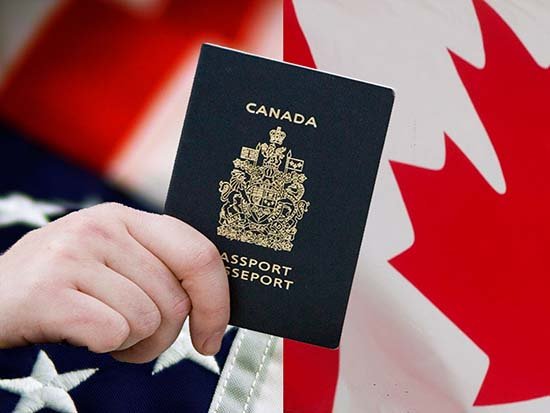
- Obtaining a Canadian Passport: Enables international travel and facilitates re-entry to Canada.
- Maintaining Permanent Residency Obligations: Ensure residency requirements are met to retain citizenship status.
- Dual Citizenship Considerations: Canada allows dual citizenship, but applicants should verify implications in their home country.
- Embracing Rights and Responsibilities: Voting, access to social services, and abiding by Canadian laws are key responsibilities of citizens.
Proper planning and compliance after citizenship approval ensure a smooth transition into Canadian society.
Resources for Guidance and Support
Several resources can assist applicants:
- Official Government Websites: Up-to-date information from IRCC on laws, forms, and procedures.
- Immigration Lawyers and Consultants: Provide personalized guidance and legal representation.
- Community Support Groups: Offer practical advice, moral support, and networking opportunities.
- Online Forums: Allow applicants to share experiences, seek advice, and learn from others’ successes.
Leveraging these resources helps couples stay informed, prepared, and supported throughout the process.
Conclusion
Canadian citizenship through marriage is achievable but requires careful planning, thorough documentation, and compliance with legal requirements. Understanding eligibility, sponsorship obligations, application procedures, potential challenges, and post-citizenship responsibilities is key to a successful journey. Couples who approach the process strategically, stay organized, and seek professional guidance can navigate this complex path effectively and enjoy the rights, privileges, and responsibilities of Canadian citizenship.